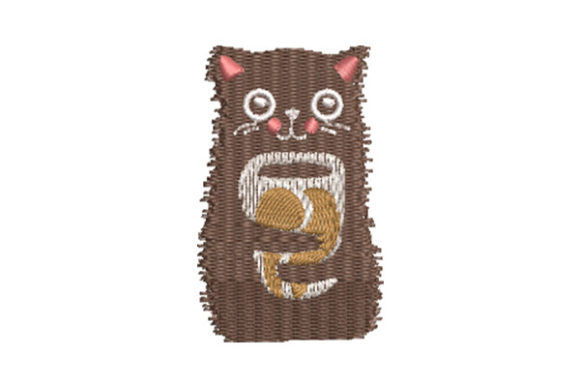
Cat Holding a Coffee Mug
As an experienced embroidery designer who has spent countless weekends setting up booths at local craft fairs and managing online handmade shops, I know that the difference between a design that sits in your digital folder and one that actually sells often comes down to presentation and practicality. Today, I am reviewing the Cat Holding a Coffee Mug machine embroidery design with a critical eye. This adorable cat embroidery is perfect for anyone who loves coffee and cats, and it would make a wonderful embellishment for kitchen towels, table cloths, pajamas, and more. But does it have the "craft fair magic"? Let's dive into how this specific design performs when turned into real-world products.
The First Impression: Cute, Relatable, and Market-Ready
When you first look at the concept of Cat Holding a Coffee Mug, the vibe is immediately warm, approachable, and distinctly modern farmhouse. It hits two massive trend sweet spots simultaneously: the enduring popularity of feline imagery and the universal love for caffeine culture. In a booth filled with generic floral patterns or complex landscapes, a cute cat holding a mug stands out because it tells a story instantly. It feels soft, playful, and highly giftable. For an Etsy seller or boutique maker, this design screams "morning routine" and "cozy home," making it an excellent choice for a small shop product that appeals to a broad demographic without feeling too niche.
Product Versatility: Where Does It Shine?
The true value of a digital embroidery file lies in its adaptability. The description suggests this design works well on various items, but let's break down where Cat Holding a Coffee Mug will generate the most sales based on visual impact and production ease.
- Kitchen Towels and Aprons: This is the gold standard for this design. A tea towel embroidery featuring a cat clutching a steaming mug fits perfectly in a rustic or modern kitchen aesthetic. On an apron, it serves as a charming focal point on the chest pocket or lower hem. Customers love functional items that add personality to their daily chores.
- Tote Bags and Market Bags: A tote bag design needs to be bold enough to be seen from a distance. If Cat Holding a Coffee Mug is sized correctly, it becomes a statement piece for the busy mom or the coffee enthusiast walking through a market. It photographs exceptionally well for online listings, creating a strong visual hook for potential buyers.
- Patches and Caps: When converted into an embroidered patch, this design offers a fun accessory for denim jackets or backpacks. On a curved cap surface, the compact nature of a cat holding a mug can work beautifully, provided the stitch density isn't too high to distort the curve.
- Pillow Covers and Pajamas: These items allow for a softer, more intimate application. A pillow cover with this motif adds immediate charm to a living room or bedroom setup, while pajama embroidery creates a cozy, sleepwear vibe that customers associate with comfort.
Selling Strategy and Production Realities
For a craft fair product to succeed, it must photograph well and feel premium in hand. Cat Holding a Coffee Mug excels here because the subject matter is inherently photogenic. The contrast between the fur texture and the ceramic mug shape usually translates well in photos, which is crucial for an Etsy seller trying to compete in a crowded marketplace. Furthermore, the design feels repeatable for batch production. You can easily create a series of matching items—a set of three tea towels or a collection of pouches—without losing the cohesive brand identity of your booth.
However, not all applications are created equal. When evaluating this as a finished product, consider the scale. As a small accent on a coffee cup sleeve or a tiny detail on a keychain, the design might lose clarity. It is best utilized as a medium-sized focal design on larger surfaces like aprons or tote bags. This ensures that the details of the cat's expression and the handle of the mug remain visible to the customer.
Practical Design Notes for the Maker
Before you rush to print mockups or start stitching hundreds of units, there are technical considerations that separate a professional output from a amateur attempt. Every machine embroidery design requires careful preparation to ensure the finished product looks as good as the printable mockup.
- Stitch Density and Tiny Details: Cats can be tricky due to the fine lines required for whiskers and fur texture. Check the stitch density of the embroidery file. If the stitches are too dense, the fabric may pucker, especially on thin materials like tea towels. If the details are too tiny, they may get lost on textured fabrics or dark backgrounds.
- Thread Colors and Contrast: The success of this design relies heavily on thread colors. Ensure you have high-contrast threads available so the cat pops against the background fabric. Dark fabric can sometimes swallow lighter thread colors, so test your color palette before committing to a bulk run.
- Hoop Size and Stabilizer: Confirm the recommended hoop size for the design. Using the wrong stabilizer can lead to distortion, particularly on curved surfaces like caps or slouchy tote bags. Always use a tear-away or cut-away stabilizer appropriate for the fabric weight to maintain the integrity of the machine embroidery design.
- Fabric Texture: Be mindful of the fabric texture you choose. While a smooth cotton twill is ideal for crisp details, a heavy linen or terry cloth towel might hide the finer points of the design. Test the design on scrap fabric first to see how the needle interacts with the material.
Final Verdict for Craft Fair Sellers
Cat Holding a Coffee Mug is a winner for the creative entrepreneur looking to expand their inventory. It bridges the gap between a cute novelty item and a sophisticated home decor piece. By focusing on high-quality applications like aprons and kitchen towels, you can command a higher price point and attract serious buyers who appreciate handmade quality.
Remember to check the specific design assets provided with your download. Verify if the file includes multiple sizes or formats suitable for different machines. Also, confirm the commercial licensing terms before selling your finished goods to ensure you are protected. With the right execution, this design will not only stand out on your display table but also become a staple in your catalog of commercial embroidery projects. Happy stitching and happy selling!