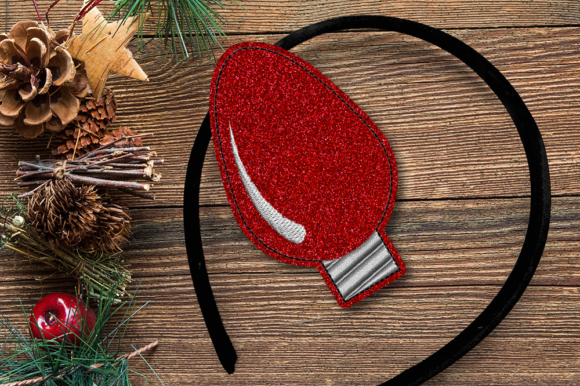
Christmas Light ITH Headband Slider Review
When I first opened the file for the Christmas Light ITH Headband Slider, my initial reaction was one of practical optimism. As someone who spends hours evaluating digital assets for both personal holiday projects and commercial small business lines, I look for designs that offer versatility without sacrificing visual impact. This design immediately struck me as a clever solution to a common problem: how to add a cohesive, festive touch to handmade accessories without overwhelming the wearer or the production workflow.
The concept is straightforward yet effective. It is an in-the-hoop digital embroidery design featuring a single holiday light bulb slider intended to be added to a headband. The visual personality here is bright, cheerful, and distinctly seasonal. Unlike some holiday designs that rely on heavy, dense fill stitches which can feel stiff or bulky, this piece seems to lean towards cleaner lines. The shape of the light bulb suggests a classic aesthetic that fits perfectly with winter themes, making it an ideal candidate for custom apparel, baby items, or boutique product lines where a polished look is essential.
Real-World Application and Project Scenarios
To truly understand the value of this design, I imagine placing it into a real-life workflow. Let's say I am preparing a batch of personalized gifts for a local holiday market or fulfilling orders for an Etsy shop specializing in handmade winter wear. The Christmas Light ITH Headband Slider shines in scenarios where customization is key. Imagine a customer ordering a matching set for a family photo shoot. They want a simple headband that coordinates with their Christmas sweater but doesn't look like a mass-produced item from a big-box store.
This design allows for that level of personalization. Because it is meant to slide over a headband, it offers a modular approach to decoration. You could stitch the light bulb onto a felt strip using non-fraying fabric, attach it to a pre-made knit band, and instantly create a unique accessory. For a small business owner, this translates to efficiency. Instead of embroidering directly onto a stretchy, difficult-to-hooped fabric, you create the decorative element separately and then assemble it. This reduces the risk of puckering and ensures the final embroidery project looks crisp and professional.
I also see this design fitting beautifully into nursery decor or baby products. A soft felt headband adorned with this light bulb slider would make a memorable personalized gift for a newborn's first Christmas. The simplicity of the single bulb keeps it age-appropriate and cute, avoiding the clutter that sometimes plagues overly detailed holiday motifs. When customers receive a finished product that feels thoughtful and well-executed, their trust in your brand grows. It signals that you care about the details, even in the smallest elements of the garment.
Performance on Various Fabrics and Surfaces
In terms of technical performance, the machine embroidery design appears to rely on a mix of satin stitch for the outline and fill stitch for the interior, creating a smooth, glossy finish typical of high-quality thread work. However, the choice of fabric is critical here. The description specifies using non-fraying fabrics such as felt or vinyl. This is a smart constraint because it dictates the stability of the final piece.
If you attempt to use this design on a thin, stretchy cotton jersey without proper stabilization, the results could be disappointing. The tension required for the light bulb shape might distort the fabric if not supported correctly. Therefore, when planning your custom apparel or sweatshirt embroidery, you must ensure you are using a cut-away stabilizer to maintain the integrity of the design. The design works best on structured surfaces where the fabric holds its shape, such as the brim of a cap, the front panel of a tote bag, or a sturdy apron.
For those looking to incorporate this into commercial embroidery projects, consider the texture of the background. A dark fabric background would make the light bulb pop dramatically, mimicking the glow of a real string of lights. Conversely, on a white or light-colored felt, the design might require a contrasting thread color to stand out. Testing different thread colors against various fabric textures is a necessary step before committing to a large production run. This attention to detail ensures that the finished product meets the high standards expected by buyers in the craft community.
Strategic Considerations and Limitations
No design is perfect for every situation, and being honest about limitations is part of responsible design review. While the Christmas Light ITH Headband Slider is versatile, it may not be the best choice for very small hoop sizes. If the design includes fine details or intricate corners, shrinking it down too much could result in a loss of definition. Similarly, on highly textured fabrics like bouclé or heavy fleece, the machine might struggle to penetrate the material evenly, leading to uneven stitch density.
Another area to watch is the durability of the assembly. Since the design is meant to slide over a headband, the connection point between the embroidered patch and the band itself needs to be secure. If you are selling these as small shop products, you must ensure that the sliding mechanism does not compromise the structural integrity of the item after repeated washing or wearing. Frequent washing can cause fraying if the wrong fabric is used, so sticking to the recommended non-fraying materials is non-negotiable for long-lasting quality.
For designers creating digital embroidery files or mockups, this design offers great potential. It can be easily integrated into printable mockups to showcase how a final product might look on a model. This helps Etsy sellers and creative entrepreneurs visualize the end result and attract more buyers. However, always remember to check the licensing terms before using any asset for commercial resale. Confirm whether the license allows you to sell finished items made with the design or if there are restrictions on the number of units produced.
Final Design Notes for Makers
Before you hit the "stitch" button on your next embroidery file, take a moment to test the design on scrap fabric. This simple step can save you time and frustration. Check the stitch density to ensure it isn't too heavy for the chosen fabric, and verify that the hoop size accommodates the design without cutting off any edges. Inspect small details closely; sometimes, what looks good on a screen can appear slightly distorted once stitched.
Consider testing the design in black and white mockups first to evaluate the contrast and composition. Compare how it looks on both light and dark backgrounds to determine the most versatile thread color palette. Using the proper stabilizer is paramount; it acts as the foundation for your applique design or direct stitching, ensuring the final result remains flat and durable. Whether you are creating a tote bag design, a baby embroidery piece, or a festive holiday embroidery accent, the success of the project often hinges on these preparatory steps.
The Christmas Light ITH Headband Slider is more than just a pretty image; it is a functional tool for creators looking to elevate their handmade goods. It bridges the gap between quick crafting and professional presentation, offering a way to add a touch of holiday magic to everyday accessories. By understanding its strengths and respecting its limitations, you can confidently integrate this design into your workflow, creating products that customers will love and cherish for years to come.