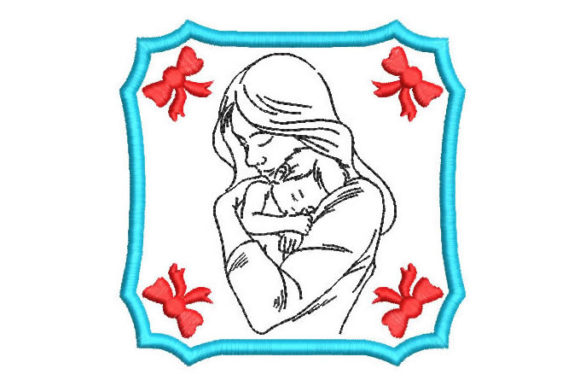
Picture of Mom with Baby: A Designer's Review
As an experienced embroidery designer, I spend a significant amount of time evaluating digital assets before they ever touch a hoop. When I first encountered the Picture of Mom with Baby design for a potential boutique sweatshirt collection, my initial reaction was one of cautious optimism. The title suggests a sentimental narrative, which is perfect for the current market trends in handmade apparel. However, moving from a concept to a finished product requires more than just a cute idea; it demands technical precision and aesthetic foresight. This review breaks down exactly how this design performs when translated from a digital file into a tangible, high-quality garment.
The First Impression: Mood and Layout
The Picture of Mom with Baby design immediately strikes me as warm and intimate. In the world of machine embroidery, mood is conveyed through line weight, stitch direction, and negative space. For a design intended to be an embellishment on gifts for mothers or grandmothers, the layout needs to balance detail with wearability. Based on the description provided, this piece seems to lean towards a decorative rather than a bold graphic style. It feels like a soft focal point that invites a closer look rather than shouting for attention.
When visualizing this on a premium sweatshirt, the design likely carries a feminine and playful personality. It avoids the harshness of block lettering or overly rigid geometric patterns. Instead, it promises a softer, more organic feel that aligns perfectly with cozy seasonal apparel. The "cute" factor is evident, but for a boutique brand, the execution must elevate that cuteness into something sophisticated enough to justify a higher price point. If the stitching is too dense, it could feel heavy; if it is too sparse, it might lack definition. The goal is to achieve a finish that looks handcrafted and thoughtful.
Application on Sweatshirts and Hoodies
Sweatshirt embroidery presents unique challenges compared to lighter fabrics like t-shirts or tote bags. The fabric texture of a hoodie is substantial, often featuring a fleece interior that can distort designs if not stabilized correctly. I am imagining Picture of Mom with Baby placed on the left chest of a neutral-colored crewneck sweatshirt. On a heather grey or oatmeal fabric, the thread colors would need to offer sufficient contrast without appearing garish. Pastel thread colors might work beautifully here, creating a gentle, dreamy effect that complements the soft nature of the design.
For dark fabric options, such as navy or charcoal, the design would require a different approach. A underlay stitch might be necessary to prevent the dark fabric from showing through light threads. In these scenarios, the design acts as a standout accent. I also envision this design as a sleeve accent on oversized hoodies. Placing a smaller version of the mom and baby motif on the cuff or lower sleeve adds a subtle branding element that customers love to discover. It transforms a standard garment into a personalized statement piece.
Back Designs and Boutique Merchandise
If the design file allows for scaling, Picture of Mom with Baby could serve as a stunning back print for a limited drop. A larger, centered placement on the back of a hoodie creates a strong visual identity for a small shop. This is particularly effective for lifestyle product photography. Imagine a mother wearing the sweatshirt while holding her own child; the design mirrors the real-life moment, creating a powerful emotional connection for potential buyers viewing Etsy listings or social media ads.
For boutique merchandise, versatility is key. This design should not be limited to just Mother S Day promotions. While that holiday is a prime opportunity, the timeless theme of maternal love makes it suitable for year-round sales. Whether used on custom apparel for baby showers, family reunions, or everyday wear, the design retains its value. It serves as a versatile design asset that can be adapted across various product types, from sweatshirts to tote bags.
Technical Considerations for Production
Before committing to a production run, several practical concerns must be addressed. One of the most critical factors is stitch density. Embroidery on thick cotton fleece requires careful balancing. If the stitch count is too high, the fabric may pucker or become stiff, ruining the comfort of the sweatshirt. Conversely, if the density is too low, the design may look washed out or lack durability after washing.
Stabilizer choice is equally important. For this type of sentimental design, a cut-away stabilizer is often recommended to provide long-term support and prevent distortion over time. Hoop size is another variable to consider. Ensuring the design fits within the available hoop dimensions without cutting off details is essential for a professional finish. If the design includes fine details, readers must verify that the minimum readable size is appropriate for the intended garment size.
Washing durability is a common concern for commercial embroidery. High-density designs tend to hold up better to frequent washing, but they must be executed with clean tension settings. Thread color contrast plays a major role here; darker threads generally show less wear than light threads on colored backgrounds. Designers should always test a sample swatch before mass production to ensure the embroidery file holds up to the rigors of home laundering.
Impact on Brand Identity and Product Value
In the competitive landscape of online selling, the quality of your embroidery directly influences buyer trust. A well-executed Picture of Mom with Baby design signals that the creator cares about the details. For an Etsy seller or a small shop product owner, this level of care translates into higher perceived value. Customers are willing to pay a premium for items that look professionally finished rather than mass-produced.
Visual recognition is built through consistency. Using a cohesive design language across a collection helps establish a distinct brand identity. When a customer sees the specific style of the mom and baby motif, they should immediately associate it with your boutique brand. This fosters customer engagement and encourages repeat purchases. Furthermore, including a printable mockup in your listings that showcases the design on different fabric textures helps manage customer expectations and reduces return rates.
Final Thoughts for Digital Sellers
The Picture of Mom with Baby design has the potential to be a cornerstone piece for a boutique brand focused on sentiment and quality. Its suitability for gifts and its appeal to mothers make it a strategic choice for inventory planning. However, success depends on the technical execution. Small clothing brands must ensure that the thread colors chosen complement the fabric texture and that the stitch density matches the capabilities of their machines.
While the product description mentions multiple embroidery file formats, it does not specify exact stitch counts, hoop sizes, or license terms. Before purchasing or using this design commercially, it is crucial to check those specific details. Commercial embroidery licenses vary, and understanding the usage rights is vital for protecting your business. Additionally, verifying the file compatibility with your specific digitization software will save time and frustration during the setup phase.
Ultimately, this design offers a blend of emotion and utility. By treating it with the respect due to a premium design asset, creators can produce finished products that resonate deeply with their audience. Whether it adorns a cozy hoodie for a winter drop or a special gift for a grandmother, the impact of a well-stitched design is undeniable. It turns a simple garment into a cherished keepsake, proving that even in the age of digital files, the tactile beauty of handmade embroidery remains unmatched.