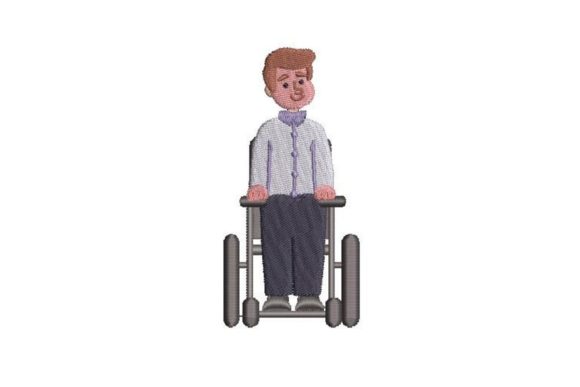
Quadriplegic Person: A Designer's Review for Craft Fairs
As an embroidery designer who has spent years perfecting designs for weekend markets and online boutiques, I know that the difference between a stall full of inventory and a booth that sells out often comes down to one thing: the emotional connection. Today, I am reviewing the Quadriplegic Person design with a critical eye. My goal is to determine if this piece fits into my current collection of awareness-themed products and how it will perform when stitched onto real-world items like tote bags, aprons, and tea towels.
The First Impression: Bold Awareness
When I first looked at the title and description for Quadriplegic Person, the vibe was immediately serious and purposeful. This is not a farmhouse aesthetic or a cute, whimsical pattern meant to just fill space on a fabric pouch. The description explicitly states, "You can show support for people that spend at least a part of their lives in a wheelchair." This clarity tells me exactly who the target audience is and why they would buy it. In the world of handmade goods, authenticity drives sales, and this design carries a weight of genuine advocacy.
For a craft fair seller, this means the product stands out as more than just a decoration; it is a statement piece. It feels modern, respectful, and deeply human. When customers walk up to a booth displaying various embroidered patches and caps, a design dedicated to raising awareness for mobility challenges commands attention. It signals that the maker cares about inclusivity and community, which builds trust with potential buyers. However, because the subject matter is significant, the execution must be flawless. There is no room for error when the design represents a specific community.
Product Potential: Where Does It Shine?
I have been testing where this design works best within a typical market setup. Let's break down the performance of Quadriplegic Person across different machine embroidery design applications.
- Tote Bag Design: This is the obvious winner. A sturdy canvas tote bag offers a large, flat surface area that allows the design to breathe. When used as a focal point on a bag, it becomes a daily reminder for the user and a conversation starter for strangers. It photographs beautifully for Etsy listings, showing off the texture of the stitches against the canvas weave.
- Apron Embroidery: For kitchen events or craft fairs, an apron featuring this message is powerful. It turns a functional item into a symbol of support. The contrast between the utility of an apron and the profound message creates a unique selling point.
- Tea Towel Embroidery: Similar to aprons, tea towels are popular gift items. If the design is clean and the thread colors are high-contrast, it makes a lovely, giftable handmade product for friends or family members supporting a loved one.
- Embroidered Patch: Creating a patch version of Quadriplegic Person allows for versatility. Patches can be sewn onto jackets, backpacks, or hats, extending the reach of the awareness campaign beyond the initial purchase.
- Caps and Pillow Covers: These work well as smaller, lower-priced entry points. A cap with a subtle but clear design is easy to sell to passersby, while a pillow cover adds a touch of elegance to a home decor section of the booth.
Production Realities: What to Watch Out For
While the concept is strong, the practical side of production requires careful planning. As a professional, I always advise checking the stitch density and thread colors before committing to a batch run. If the design includes tiny details or small lettering, it may lose clarity on textured fabrics or curved surfaces like caps.
One of the biggest risks with any awareness design is the legibility of the text or imagery from a distance. At a busy craft fair, customers scan tables quickly. If Quadriplegic Person is too intricate or the thread colors blend too much with the background fabric, the message gets lost. I recommend using a dark stabilizer or a light-colored fabric depending on the thread palette to ensure maximum contrast. Thick fabric textures, like heavy linen or boucle, can also distort the image, so test runs on scrap fabric are non-negotiable.
Another critical factor is the hoop size. If the design is large, you need a larger hoop, which might limit the types of garments you can use. Conversely, if you try to shrink the design to fit a small pouch, you risk losing the emotional impact. The design needs to be sized correctly to be seen as a focal point rather than a tiny accent.
Selling Strategy and Visual Appeal
How does this design affect your brand consistency? For an Etsy seller or boutique maker, having a cohesive line of awareness products can elevate your shop's reputation. When customers see that you offer meaningful items like Quadriplegic Person alongside your other digital embroidery file assets, it shows depth and thoughtfulness.
In terms of booth display strength, items with this kind of narrative appeal tend to engage buyers more deeply. People stop to read the tag, ask questions, and share stories. This engagement leads to higher conversion rates compared to purely decorative items. However, you must ensure the finished product feels premium. Sloppy stitching or loose threads can undermine the respect intended by the design. Use the right stabilizer to keep the fabric taut and prevent puckering, ensuring the final result looks professional and expensive.
Photography plays a huge role here. When creating printable mockups for your online listings, make sure the lighting highlights the texture of the embroidery. Show the design on different backgrounds to prove its versatility. A high-quality image can convince a buyer to click "add to cart" even if they cannot see the item in person.
Essential Designer Notes for Production
Before you start mass-producing Quadriplegic Person for your next market season, follow these steps to ensure success:
- Test on Scrap Fabric: Never skip this step. Sew the design on the exact fabric you plan to sell to check for tension issues.
- Check Thread Contrast: Ensure the thread colors pop against the material. Dark fabric requires bright threads, and vice versa.
- Review Spacing: Make sure there is enough margin around the design so it doesn't get cut off during finishing.
- Confirm Hoop Size: Verify that your machine can handle the dimensions without needing to re-hoop, which can ruin alignment.
- Inspect Stitch Density: High-density areas can cause fabric distortion. Adjust the design settings if necessary.
- Create Real Mockups: Photograph actual samples, not just digital renders, to show customers the true quality.
- Compare Fabric Colors: Test multiple colorways to find the most visually appealing combination.
- Confirm Commercial Licensing: Most importantly, verify that you have the rights to sell finished products made from this embroidery file. Check the licensing terms provided by the designer to avoid legal issues.
By following these guidelines, you can transform Quadriplegic Person from a simple digital asset into a impactful commercial embroidery product. Whether you are selling at a local farmer's market or running a global online store, this design has the potential to resonate with buyers who value empathy and support. Just remember, the quality of the execution determines the longevity of the message. With careful planning and attention to detail, this design can become a staple in your catalog of small shop products.