Reviewing Painting Wall with Paintbrush for Gift Creators
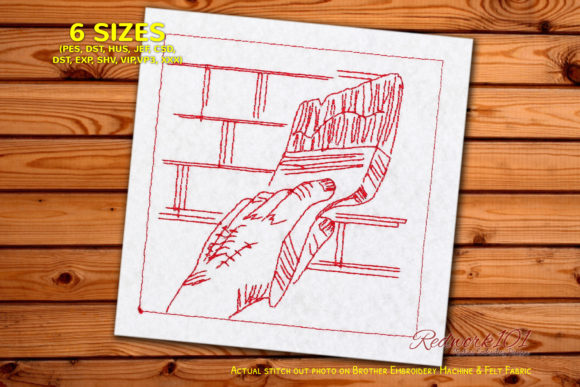
As an experienced embroidery designer, I am constantly testing new files to ensure they meet the high standards my clients expect. Recently, I examined a design titled Painting Wall with Paintbrush, specifically looking at its potential for personalized gift products. The product description notes that this lovely redwork embroidery will definitely appeal to the creative and crafty side of you. It suggests it would make a nice embellishment for DIY rooms, work clothes, and more, featuring a Box Stitch shown in the picture. Before committing to a full production run or listing it on an Etsy shop, I put this design through a rigorous review process to see how it translates from a digital file to a tangible, emotional keepsake.
First Impressions: Charm and Emotional Appeal
The moment I loaded the embroidery file into my software, the mood of Painting Wall with Paintbrush struck me as incredibly inviting. Redwork designs have a timeless quality, often evoking a sense of nostalgia and classic craftsmanship. This specific design feels sweet, playful, and deeply romantic without being overly fussy. The imagery of painting a wall suggests creativity, growth, and the act of building something beautiful—a perfect metaphor for a handmade gift.
For a personalized gift, the emotional connection is paramount. When a customer receives an item embroidered with this motif, they immediately perceive the thoughtfulness behind the creation. It is not just a generic pattern; it speaks to the recipient's identity as a creator or someone who appreciates art. Whether intended for a nursery, a home office, or a craft room, the design carries a warm, encouraging energy that resonates well with modern buyers seeking unique, handmade items.
Perfect Applications for Creative Professionals
I envision Painting Wall with Paintbrush shining brightly across several categories of handmade product lines. For baby embroidery enthusiasts, this design could be stunning on a soft muslin swaddle or a cotton receiving blanket. The redwork style pairs beautifully with pastel colors, making it ideal for gender-neutral baby showers where the theme revolves around nurturing creativity.
Wedding gift designers should also consider this piece. A custom apron embroidered with this motif makes a memorable housewarming present for a newlywed couple starting their life together. Similarly, for those selling embroidered towel sets, placing this design on a kitchen hand towel adds a touch of whimsy to a functional item. The design works exceptionally well on tote bags, serving as a subtle nod to the artistic hobbies of the owner. For pillow cover projects, it offers a charming focal point that elevates a simple throw pillow into a statement piece of decor.
Etsy sellers and small business owners can leverage this design to create cohesive collections. Imagine a line of "Creative Studio" merchandise featuring matching tote bags, aprons, and wall hangings. The versatility of the design allows it to function as a standalone feature or as part of a larger narrative about creativity and home crafting. It fits seamlessly into the digital embroidery file market for those offering printable mockups to help customers visualize their final orders.
Where to Exercise Caution
While the design is charming, there are specific scenarios where Painting Wall with Paintbrush requires careful consideration. If you plan to use this on products that need frequent washing, such as daily-use kitchen towels or children's clothing, you must ensure the stitch density is sufficient to withstand friction. However, if the design includes delicate details or very fine lines, these areas might be prone to puckering or losing definition over time.
Fabric texture plays a significant role in the success of any machine embroidery design. Thick terry cloth towels can sometimes hide the detail of the box stitches, while stretchy baby clothes may require additional stabilizing to prevent distortion. Dark fabrics present another challenge; since this is described as a redwork design, it typically relies on a single thread color against a lighter background. Applying this to dark fabric without a substantial underlay or cover-up layer could result in a muddy appearance.
Additionally, curved surfaces like rounded tote handles or fitted hats can be tricky. The flat nature of the design assumes a relatively stable surface area. If the hoop size is too small relative to the design dimensions, the machine may struggle to reach all corners, leading to incomplete stitching. Always verify the hoop size requirements before attempting to place this design on smaller items.
Impact on Giftability and Perceived Value
In the world of commercial embroidery, the perceived value of a product is directly linked to the quality of the execution. A well-executed Painting Wall with Paintbrush design signals professionalism and care. Customers are willing to pay a premium for items that look polished and feel special. The intricate box stitches add texture and depth, which photographs beautifully for online listings, increasing buyer engagement.
When showcasing your small shop product line, using this design helps build trust. It demonstrates that you understand the nuances of thread colors and stitch density. A finished product that looks crisp and clean reinforces the idea of a custom order made with love. This emotional connection is what turns a one-time buyer into a loyal customer who returns for future gifts, whether for weddings, birthdays, or seasonal holidays.
Practical Embroidery Notes for Success
Before adding Painting Wall with Paintbrush to your catalog, I strongly advise following a strict testing protocol. Start by stitching the design on scrap fabric that mimics the texture and weight of your final product. This step is crucial for checking thread color contrast. If you are using redwork on white fabric, ensure the red thread is vibrant enough to stand out without overwhelming the design.
Review the stitch density within your digitizing software. High-density areas can cause fabric bunching, especially on lightweight materials common in blanket embroidery. Use the proper stabilizer for your chosen fabric; tear-away might suffice for stable wovens, but cut-away is often necessary for knits or stretchy materials to maintain longevity. Compare light and dark fabric mockups to see how the design adapts to different colorways.
After stitching, inspect the small details closely. Do the box stitches lay flat? Are there any loose threads? Confirm commercial licensing terms before selling finished products to avoid legal issues. If the product description does not specify the exact file format or license terms, contact the designer or check the platform documentation to ensure you are cleared to sell the items you create.
Final Thoughts on Design Potential
Painting Wall with Paintbrush is more than just a decorative element; it is a conversation starter. Its ability to convey a message of creativity and care makes it a valuable asset for anyone in the Sewing and Embroidery industries. Whether you are creating a one-of-a-kind wedding keepsake or mass-producing items for a craft fair, this design offers a blend of elegance and playfulness that appeals to a wide audience.
By taking the time to test, refine, and present this design properly, you can transform a simple digital file into a cherished heirloom. For the creative and crafty side of you, this design is a wonderful opportunity to expand your offerings and connect with customers who value the art of handmade goods. With the right preparation, Painting Wall with Paintbrush can become a signature piece in your collection, driving sales and delighting recipients with its thoughtful charm.