Vintage Heart Cross Stitch Pattern Review
As an embroidery designer who has spent years refining the delicate balance between digital files and tangible fabric, I approach every new asset with a mix of excitement and skepticism. Recently, I evaluated the Vintage Heart Cross Stitch Pattern for a potential limited drop in my boutique sweatshirt collection. This review isn't just about listing features; it is a deep dive into how this specific design translates from a screen to a premium garment. If you are an Etsy seller, a small shop product owner, or a creative entrepreneur looking to elevate your custom apparel, understanding the practical application of Cross Stitch Patterns is vital.
The First Impression: Mood and Aesthetic
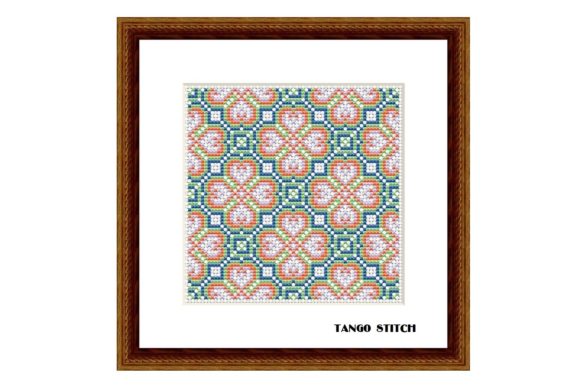
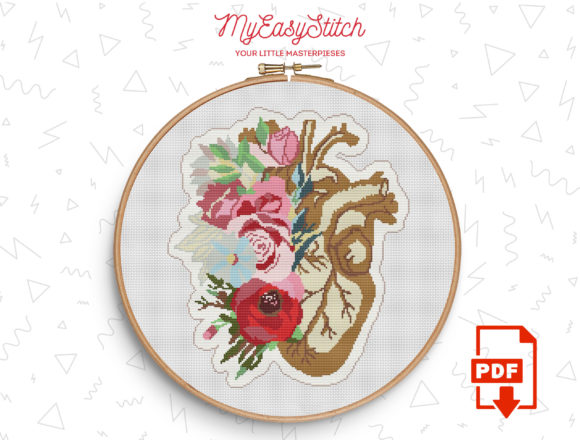
When I first opened the Vintage Heart Cross Stitch Pattern, the immediate feeling was one of nostalgic warmth. The title suggests a rustic charm, but the visual execution promises something more versatile. In the context of a boutique brand, this design feels less like a generic clipart and more like a handcrafted artifact. It strikes a perfect chord between cute and bold, making it ideal for feminine yet playful collections. The layout suggests a design that is decorative without being overwhelming, which is crucial when we discuss sweatshirt embroidery on oversized hoodies or cozy seasonal apparel.
The aesthetic leans heavily into the "handmade product" vibe that customers crave today. It doesn't scream mass production; instead, it whispers artisanal quality. For a boutique brand, this distinction is everything. It allows a small shop product to stand out against the sea of fast fashion. Whether applied to neutral sweatshirts or pastel colors, the Vintage Heart Cross Stitch Pattern brings a touch of vintage romance that resonates with modern buyers seeking authenticity.
Visualizing the Application on Apparel
Imagine placing this design on a heather grey crewneck. The contrast would be subtle yet striking, offering a minimal look that appeals to the everyday wearer. However, if we shift to dark fabric, the potential for drama increases significantly. The 19 required colors mentioned in the specifications provide a rich palette that can pop against black or navy backgrounds, creating a bold statement piece.
I envision this design not just as a chest logo, but as a central feature. On a large back panel of an oversized hoodie, the dimensions allow for a grand presentation. It transforms a simple garment into a lifestyle statement. For lifestyle product photography, this design offers excellent texture. When photographed under soft lighting, the cross-stitch effect catches the light differently than standard satin stitch, adding depth to printable mockup previews and enhancing the perceived value of the item.
Placement Strategies for Maximum Impact
- Hoodie Chest Placement: A smaller iteration could serve as a classic left-chest accent, reinforcing brand identity without overpowering the silhouette.
- Sleeve Accents: Running the pattern vertically down the sleeve adds a unique detail that encourages customers to engage with the garment physically.
- Back Designs: Utilizing the full embroidered area creates a focal point for social media sharing, driving organic engagement for Etsy sellers.
Technical Evaluation: From Digital File to Finished Product
Transitioning from a concept to a physical reality requires careful technical planning. The specifications provided for the Vintage Heart Cross Stitch Pattern indicate an embroidered area of 10.71 x 12.43 inches (27.21 x 31.57 cm) on 14 count Aida fabric. While these measurements are precise for traditional needlework, applying them to a machine embroidery design for apparel demands strategic adjustments.
One of the primary concerns for any embroidery file intended for commercial use is stitch density. With 150 x 174 stitches specified for a full cross-only style, the design relies on the structure of the cross itself rather than dense fill stitches. This is excellent for durability and comfort, as it prevents the heavy puckering often seen on thick fabrics like sweatshirt fleece. However, designers must ensure the stabilizer choice matches the weight of the garment to maintain that crisp, clean finish.
Fabric thickness is another critical factor. Sweatshirts are bulky, and the hoop size must accommodate both the design and the tension required to hold the layers flat. If the hoop size is too small, the 10-inch width might get distorted. Conversely, a well-executed setup will highlight the fabric texture, allowing the cross-stitch grid to sit beautifully atop the knit material.
Thread Colors and Commercial Viability
The requirement for 19 DMC stranded cotton colors is a testament to the complexity and richness of the Vintage Heart Cross Stitch Pattern. In a commercial setting, this level of detail elevates the perceived value of the item. Customers are willing to pay a premium for garments that clearly took time and skill to create. The variety of threads allows for nuanced shading, ensuring the heart motif looks three-dimensional and tactile.
However, this also introduces challenges regarding thread color contrast. Designers must carefully select the base fabric color to ensure all 19 shades remain visible. On a dark background, lighter threads will glow, while on a light background, darker threads will define the shape. For custom apparel branding, consistency is key. Using the same thread palette across a collection reinforces visual recognition and builds customer trust in the brand's identity.
Practical Considerations for Production
Before moving to production, there are several practical questions that must be addressed. The specification notes "Stitches full cross only," which implies a specific texture that differs from standard machine embroidery fills. If converting this to a true digital embroidery file for a multi-needle machine, the digitizer must simulate the cross-stitch look accurately to avoid a cheap appearance. Small-size readability is also a concern; if scaling down for sleeve accents, the 19 colors might become muddy. It is best suited for medium-to-large placements where the detail can breathe.
Washing durability is paramount for commercial embroidery. High-quality DMC floss is known for its colorfastness, but the construction of the design matters. Ensuring the edges are secure and the stabilizer is properly removed after stitching will guarantee the design survives countless washes without fraying or losing its shape. This reliability is what separates a fleeting trend from a staple piece in a small shop product line.
Final Thoughts on Brand Identity
Incorporating the Vintage Heart Cross Stitch Pattern into a collection does more than just decorate a shirt; it tells a story. It signals to the buyer that this is a handmade product made with care. For design assets used in marketing, the intricate nature of the cross-stitch provides endless opportunities for close-up shots that highlight craftsmanship.
Ultimately, this design has the potential to drive significant customer engagement. The combination of a vintage theme, high stitch count, and specific color requirements creates a sense of exclusivity. Whether you are launching a limited drop or expanding your apparel decorators inventory, this pattern offers a robust foundation for building a recognizable and trusted boutique brand. Just remember to verify all file formats and licensing terms before finalizing your production run to ensure a smooth workflow from design to delivery.